Walls get all the attention in commercial design — but the floor is an enormous, underexploited canvas. In retail, hospitality, events, and corporate environments, floor graphics direct movement, reinforce branding, create photo opportunities, and communicate information, all on a surface that every visitor looks at and walks across.
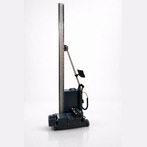
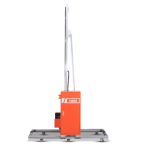
Floor printing with UV technology is a premium, differentiated service that relatively few operators offer — creating genuine commercial opportunity. With a wall and floor printing machine like the Tudox TDX-W, the same equipment handles both surfaces. Here are 15 floor printing ideas for commercial spaces, with technical guidance for each.
WHY FLOOR PRINTING IS A PREMIUM SERVICE |
Floor graphics command a 30-50% price premium over equivalent wall printing — due to higher technical demands and lower market competition. |
Floors face mechanical wear (foot traffic) rather than UV exposure, requiring anti-slip protective topcoats for both durability and safety compliance. |
The Tudox TDX-W switches between wall and floor mode in approximately 5 minutes — enabling combined wall + floor projects in a single visit. |
Retail Floor Printing Ideas
1. Entrance Brand Statement
A bold branded graphic at the store entrance — logo, tagline, or a striking pattern — creates an immediate brand impression as customers cross the threshold. Entrance floor graphics are among the most-photographed surfaces in retail and set the tone for the entire shopping experience.
2. Directional Wayfinding
Floor graphics that guide customers through a store — arrows, footprint trails, or department markers — increase the proportion of the store that customers explore. More exploration means more product exposure and higher basket values. Functional and brand-building simultaneously.
3. Product Zone Highlighting
Printed floor graphics around featured product displays draw the eye and the foot toward high-margin or promotional items. Combined with wall graphics behind the display, a complete branded zone significantly increases featured product engagement.
4. Seasonal Campaign Floors
Like wall graphics, floor graphics can be refreshed seasonally — Christmas, summer, sale events. The floor at the entrance and in key zones becomes a rotating campaign surface, refreshed quarterly as part of a recurring service contract.
Hospitality and Event Floor Printing Ideas
5. Lobby Centrepiece Graphics
A large-scale artistic floor graphic in a hotel or venue lobby — a compass rose, a local map, an abstract pattern, or a brand emblem — creates a memorable focal point. The floor art printer capability delivers gallery-quality artistic floor work for premium environments.
6. Event Branding and Sponsor Zones
Exhibitions, conferences, product launches, and corporate events use floor graphics extensively: stage surrounds, sponsor logos, photo-opportunity markers, and directional graphics. Events are high-velocity, premium-priced work — clients value speed and pay for it. A single event can generate substantial revenue across multiple floor zones.
7. Restaurant and Bar Floor Accents
Branded floor graphics at restaurant entrances, around bars, or on terraces extend the interior design concept to a fresh surface. Outdoor terrace floor graphics are particularly effective for cafés and bars seeking Instagram-worthy distinctive environments.
8. Wedding and Special Event Floors
Personalised floor graphics — monograms, dates, custom designs — for weddings and special events are a high-value niche. These temporary installations command premium pricing for their bespoke, one-time nature and require no long-term durability.
Corporate and Industrial Floor Printing Ideas
9. Reception and Atrium Branding
Corporate reception areas and atriums benefit from branded floor graphics that communicate identity and professionalism from the moment a visitor enters. A company logo or brand pattern at the building entrance reinforces brand presence in the highest-traffic corporate zone.
10. Department and Zone Identification
In large offices, warehouses, and facilities, floor graphics identify departments, zones, and functional areas — combining wayfinding utility with brand consistency. Colour-coded zone markers improve navigation while reinforcing the visual identity system.
11. Safety and Compliance Markings
Warehouses, factories, and industrial facilities require floor markings for safety: walkways, hazard zones, equipment boundaries, social distancing markers. UV-printed safety graphics are more durable and visually clear than painted markings, and can incorporate branding alongside compliance information.
12. Co-Working Space Personality
Co-working and flexible office operators use floor graphics to create distinctive, energetic environments that differentiate their spaces. Motivational graphics, zone identification, and brand-aligned patterns contribute to the experiential quality that co-working members pay for.
Creative and Experiential Floor Printing Ideas
13. 3D Illusion Floor Art
Anamorphic 3D floor graphics — designs that create the illusion of depth, holes, or three-dimensional objects when viewed from a specific angle — are showstopping attractions for shopping centres, events, and brand activations. These designs generate enormous social media engagement as visitors photograph the illusion.
14. Interactive Photo-Opportunity Floors
Deliberately designed ‘photo spot’ floor graphics — where visitors stand or pose within the design — drive social media content generation. Shopping centres, museums, and brand activations use these to encourage organic social sharing that amplifies marketing reach at no additional cost.
15. Museum and Exhibition Floor Narratives
Museums, galleries, and educational exhibitions use floor graphics to create narrative paths, timelines, and informational journeys that guide visitors through content. Floor-based storytelling is an immersive technique that engages visitors differently than wall-based information.
Technical Tips for Floor Printing
Floor printing has specific technical requirements that differ from wall printing. For full surface compatibility, see: What Surfaces Can a Wall Printer Print On?.
Surface Preparation
- Sealed concrete, ceramic/porcelain tiles, epoxy floors, and vinyl/LVT all print well with appropriate preparation
- Raw concrete must be sealed before printing to prevent uneven ink absorption
- Clean thoroughly with IPA — floor surfaces accumulate grease, dust, and residue that impair adhesion
- Polished or high-gloss surfaces require an adhesion primer
Anti-Slip Protective Coating (Essential)
Every floor graphic requires an anti-slip protective topcoat — both for durability under foot traffic and for safety compliance. This is non-negotiable for commercial floor graphics. The topcoat protects the UV print from abrasion and provides the slip-resistance required by flooring safety standards.
Durability Expectations
Floor Surface | Durability (No Topcoat) | Durability (With Anti-Slip Coat) | Best Application |
|---|
Sealed concrete | 2-4 years | 4-7 years | Warehouse, industrial, retail |
Ceramic/porcelain tile | 3-5 years | 5-8 years | Hotel lobby, premium retail |
Epoxy-coated floor | 3-5 years | 5-7 years | Factory, events, retail |
Vinyl / LVT | 2-3 years | 3-5 years | Retail seasonal campaigns |
Event/temporary | Days-months | N/A | Exhibitions, weddings, activations |
For Operators: The Floor Printing Opportunity
Floor printing is one of the strongest differentiators available to wall printing operators. With the Tudox TDX-W, you can offer floor graphics that most competitors cannot — at a 30-50% premium over wall work. Combined wall + floor projects increase the value of every site visit and create a more compelling, complete service offering.
Q: Are floor graphics slippery?
Not when properly finished. Every commercial floor graphic must have an anti-slip protective topcoat applied after printing. This topcoat provides slip-resistance that meets flooring safety standards while protecting the print from foot-traffic abrasion. Floor graphics without anti-slip topcoat should never be installed in commercial environments.
Q: How long do floor graphics last under heavy foot traffic?
With an anti-slip protective coating, floor graphics last 3-7 years depending on the surface and traffic intensity. Sealed concrete and ceramic tiles with topcoat perform best (5-8 years). High-traffic retail entrances see more wear than lower-traffic zones. For seasonal campaigns refreshed quarterly, durability far exceeds the refresh cycle.
Q: Can the same machine print both walls and floors?
Yes — the Tudox TDX-W is a dual-function wall and floor printing machine. It switches between wall mode and floor mode in approximately 5 minutes, enabling combined wall and floor projects in a single operator visit. This dual capability is a key differentiator and revenue multiplier for operators.